


Mastering Advanced Paramedical Tattoo Techniques
- Bianca Cypser
- Jan 30
- 4 min read

If you’re ready to take your paramedical tattoo skills to the next level, you’re in the right place! Advanced paramedical tattoo techniques are not just about precision and artistry—they’re about transforming lives. Whether you’re working with scar camouflage, areola restoration, or skin pigmentation correction, mastering these techniques can make a huge difference for your clients. Let’s dive into the exciting world of advanced paramedical tattooing and explore how you can elevate your craft with confidence and creativity!
Why Advanced Paramedical Tattoo Techniques Matter
Paramedical tattooing is a specialized field that requires more than just basic tattoo skills. When you’re working on sensitive areas like post-surgical scars or reconstructive areolas, every stroke counts. Advanced techniques help you achieve natural-looking results that boost your clients’ self-esteem and comfort.
Here’s why mastering these techniques is a game-changer:
Precision and Detail: Advanced methods allow you to mimic natural skin tones and textures with incredible accuracy.
Customization: You can tailor your approach to each client’s unique skin type, tone, and medical history.
Healing and Safety: Knowing how to work with delicate skin ensures faster healing and reduces complications.
Expanded Services: Offering advanced paramedical tattooing opens new doors for your practice and career growth.
If you want to truly excel, consider enrolling in specialized paramedical tattoo training that focuses on these advanced skills. It’s a smart investment that pays off in client satisfaction and professional reputation.
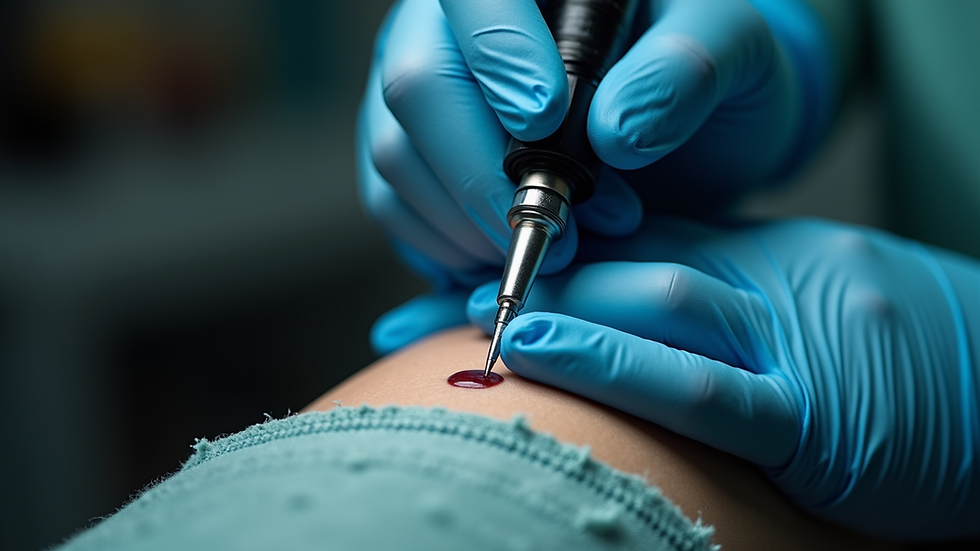
Exploring Advanced Paramedical Tattoo Techniques
Let’s break down some of the most impactful advanced techniques you should master:
1. Color Blending and Layering
Achieving a natural look means mastering color theory and pigment blending. You’ll learn how to mix pigments to match various skin tones perfectly. Layering pigments in thin, controlled passes helps create depth and dimension, especially important for areola restoration or scar camouflage.
Pro tip: Always test pigments on a small skin area before full application to ensure the perfect match and avoid allergic reactions.
2. 3D Areola Tattooing
This technique uses shading and highlights to create a realistic, three-dimensional effect. It’s especially useful for clients who have undergone mastectomies and want to restore the appearance of a natural areola.
Use a combination of soft shading and fine lines.
Pay attention to the natural shape and texture of the areola.
Incorporate subtle color variations to mimic natural pigmentation.
3. Scar Camouflage and Blending
Scar tissue can be tricky because it reacts differently to pigments. Advanced paramedical tattooing teaches you how to:
Assess scar texture and color.
Choose pigments that blend seamlessly with surrounding skin.
Use micro-needling techniques to improve pigment retention.
4. Corrective Tattooing
Sometimes, previous tattoos or pigmentation treatments don’t turn out as expected. Advanced skills allow you to correct color mismatches, uneven shapes, or fading. This requires patience and a deep understanding of pigment behavior over time.

Tools and Equipment for Advanced Paramedical Tattooing
Having the right tools is essential for mastering advanced paramedical tattoo techniques. Here’s what you should consider:
High-Quality Tattoo Machines: Rotary machines with adjustable speed and needle depth control offer precision.
Specialized Needles: Use fine liners for detailed work and magnum needles for shading and blending.
Pigments: Invest in medical-grade pigments designed for paramedical use. These are safer and provide better color stability.
Sterilization Equipment: Safety first! Proper sterilization prevents infections and ensures client trust.
Magnification and Lighting: Good lighting and magnification tools help you see every detail clearly.
Remember, your equipment is an extension of your skill. Keeping it in top shape means better results and happier clients.
Tips for Perfecting Your Technique
Mastering advanced paramedical tattoo techniques takes practice and dedication. Here are some actionable tips to help you along the way:
Practice on Synthetic Skin: Before working on clients, practice your techniques on high-quality synthetic skin to build confidence.
Stay Updated: The field is always evolving. Attend workshops, webinars, and refresher courses regularly.
Document Your Work: Take before-and-after photos to track your progress and showcase your skills to potential clients.
Communicate Clearly: Always discuss expectations and aftercare with your clients to ensure the best healing and results.
Be Patient: Some techniques require multiple sessions for optimal results. Set realistic timelines.
Growing Your Career with Advanced Skills
By mastering these advanced paramedical tattoo techniques, you’re not just improving your craft—you’re expanding your career opportunities. Florida, in particular, has a growing demand for skilled paramedical tattoo artists, especially in areola tattoo training and scar camouflage.
Offering these specialized services can:
Attract a wider client base.
Increase your earning potential.
Position you as a trusted expert in the field.
Allow you to make a meaningful impact on people’s lives.
If you’re serious about advancing your career, consider enrolling in comprehensive paramedical tattoo training programs that focus on hands-on experience and the latest techniques.
Ready to Elevate Your Paramedical Tattoo Skills?
There’s never been a better time to dive into advanced paramedical tattoo techniques! With the right training, tools, and mindset, you can create stunning, life-changing results for your clients. Remember, this is a journey of continuous learning and growth. Keep practicing, stay curious, and don’t hesitate to seek out expert guidance.
Your passion and dedication will shine through every tattoo you create. So, gear up, get inspired, and start mastering those advanced techniques today!


Comments